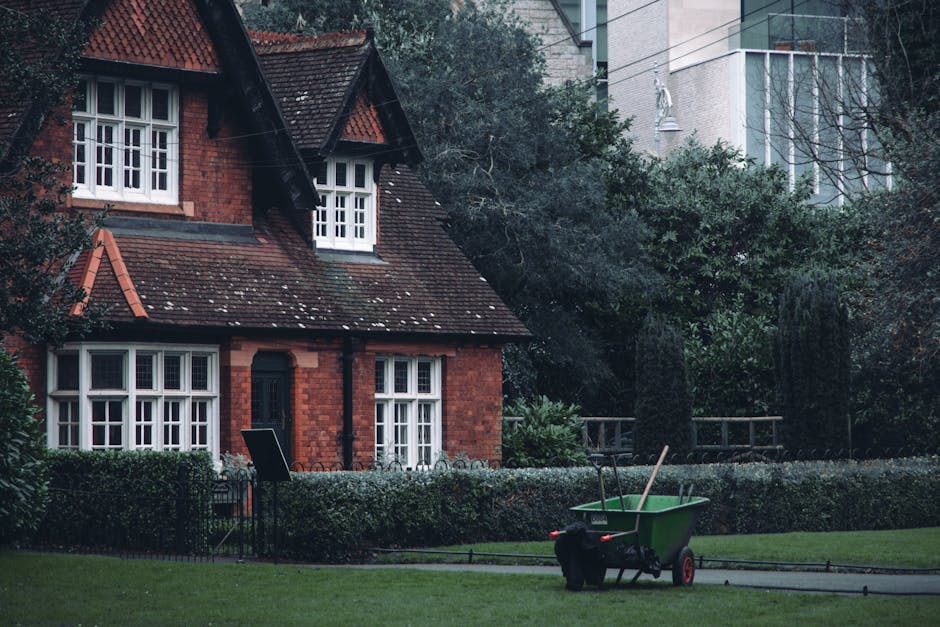
Top rated gardeners in Charlton near Charlton Station
If you're searching for top rated gardeners in Charlton near Charlton Station, you're probably after more than a quick cut and tidy. You want someone who turns up when they say they will, understands local gardens, and leaves the place looking properly cared for rather than just "done". Near the station, where homes range from compact front gardens to tucked-away terraces and shared outdoor spaces, that reliability matters. A lot. This guide walks through how to choose well, what good garden maintenance looks like, and how to compare services without getting lost in sales talk.
Whether you need regular lawn care, a one-off garden clearance, hedge trimming, or a fuller seasonal refresh, the right gardener can save you time and a fair bit of stress. And let's face it, once a garden gets away from you, it can feel like a bigger job than it should. Below, you'll find a practical local overview designed to help you make a sensible choice.
Table of Contents
- Why Top rated gardeners in Charlton near Charlton Station Matters
- How Top rated gardeners in Charlton near Charlton Station Works
- Key Benefits and Practical Advantages
- Who This Is For and When It Makes Sense
- Step-by-Step Guidance
- Expert Tips for Better Results
- Common Mistakes to Avoid
- Tools, Resources and Recommendations
- Law, Compliance, Standards, or Best Practice
- Options, Methods, or Comparison Table
- Case Study or Real-World Example
- Practical Checklist
- Conclusion
- Frequently Asked Questions
Why Top rated gardeners in Charlton near Charlton Station Matters
Good gardening is not just about appearances. In a busy part of south-east London, outdoor spaces need to handle wind, shade, foot traffic, occasional neglect, and the usual British weather doing its own thing. A trusted local gardener understands those conditions and works with them rather than fighting them. That's especially useful near Charlton Station, where many gardens need regular attention to stay tidy, safe, and usable.
Top rated gardeners usually stand out for a few simple reasons: they communicate clearly, keep appointments, offer realistic advice, and deliver consistent results. The best ones don't oversell. They look at the space, explain what can be done, and tell you what will make the most difference first. Sometimes that means dealing with the lawn before anything else. Sometimes it means a proper cutback and a reset. Truth be told, a well-managed garden often starts with the basics.
For homeowners, landlords, tenants, and small businesses alike, choosing carefully can reduce maintenance headaches later. A poor cut can weaken grass. A rushed prune can spoil the shape of shrubs for months. A careless clearance can leave debris behind. Good garden care should make life easier, not create another job for you.
If you want to see the wider range of services typically available, the services overview is a useful place to start. It helps set expectations before you even request a quote.
How Top rated gardeners in Charlton near Charlton Station Works
In practical terms, hiring a gardener near Charlton Station usually starts with a site look, a description of the work needed, and a discussion about timing. For straightforward jobs, a quote may be based on garden size, condition, access, and frequency. For larger or more complicated spaces, a proper assessment is the better route. That avoids surprises. Nobody enjoys a quote that changes halfway through because the garden was "a bit more involved than expected".
A well-run service tends to follow a simple rhythm:
- Initial enquiry - You describe the garden, what you need, and your timing.
- Assessment or photos - The gardener reviews the space and identifies the likely tasks.
- Quote and scope - You receive a clear outline of what is included.
- Work scheduled - A visit time is agreed, often with regular maintenance options.
- Completion and tidy-up - The area is left neat, with waste removed or managed appropriately.
Some gardens need a one-off reset, especially after a long holiday, a house move, or a stretch of wet weather when everything seems to grow at once. Others do better with repeat visits every couple of weeks or monthly. The right rhythm depends on the garden itself, not just your preference. A shaded front plot with a quick-growing hedge may need different care from a sunlit patio garden with a few raised beds.
If you're comparing providers, it helps to ask how they handle safety, waste, and payment. A professional service will usually have sensible answers. You can also review their insurance and safety information and their health and safety policy if those details matter to you, which they really should.
Key Benefits and Practical Advantages
There's a real difference between a garden that is "technically cut" and one that feels cared for. The practical benefits are easy to see, even before you get into the nicer-looking part.
- Better curb appeal - A tidy garden improves the first impression of a property immediately.
- More usable space - Clear paths, even lawns, and trimmed edges make outdoor areas feel bigger.
- Less stress - Regular maintenance stops jobs piling up into a weekend you dread.
- Healthier plants and grass - The right cut and pruning approach supports growth rather than damaging it.
- Safer access - Overgrown paths, slick mossy patches, and hidden debris can create avoidable hazards.
- Better planning - A gardener can point out seasonal work before problems become obvious.
Another benefit that gets overlooked: a good gardener helps you make better decisions. Should you replace a struggling lawn, or can it recover with scarifying and feeding? Is that hedge just overdue, or is it planted in a way that will always be awkward? Good advice saves money in the long run. Not always immediately glamorous, but useful. Very useful.
For many households, one of the nicest results is simply breathing room. You look out at the back garden on a grey morning and it doesn't feel like a chore. That has value, even if nobody puts it on an invoice.
Who This Is For and When It Makes Sense
Hiring a gardener near Charlton Station makes sense for a wide range of people. You might be busy with work and family, physically unable to do the heavy lifting, or just tired of fighting a lawn that never quite behaves. There's no shame in handing the job to someone who does it every day.
This service is especially useful for:
- Homeowners who want regular upkeep without spending every weekend outside with shears and a mower.
- Landlords and letting agents who need gardens kept presentable between tenancies.
- Busy professionals who prefer scheduled maintenance and reliable turnaround.
- Older residents or anyone who finds physical garden work difficult.
- Families who want a safer, cleaner outdoor space for children and pets.
- Small commercial premises that need neat entrances and a tidy first impression.
Sometimes the need is seasonal. After winter, gardens can look flat, damp, and untidy. By late spring, growth may be rapid enough to catch people out. If you've ever looked at a hedge in early evening and thought, "that got away from me", you're not alone. A lot of local clients only reach out once the job starts feeling bigger than their available time or tools.
If price is part of the decision, the pricing and quotes page is helpful for understanding how estimates are typically structured and what information helps generate a fair quote.
Step-by-Step Guidance
If you're choosing among gardeners in Charlton, a clear process makes life easier. Here's a practical way to do it without overthinking every little thing.
- Define the job
Start with the basics: lawn mowing, hedge trimming, weed control, pruning, clearance, planting, or a seasonal tidy-up. If you're not sure, list the symptoms rather than guessing the solution. For example: "border overgrown, lawn patchy, front path slippery with moss". - Decide how often you need help
One-off work suits neglected gardens or a pre-event tidy. Regular maintenance suits gardens that need ongoing control. Weekly is not always necessary. In many cases, fortnightly or monthly keeps things in shape just fine. - Check the service scope
Some gardeners focus on mowing and trimming. Others offer broader maintenance. Make sure you know whether waste removal, edging, pruning, or green disposal is included. Small detail, big difference. - Ask about access and timing
Near a station area, parking and access can matter. If side gates are narrow or the garden is only accessible through the house, say so early. It avoids awkward delays on the day. - Compare value, not just headline price
A cheaper quote can be fine, but only if the scope is clear and the result is reliable. You want value, not a mystery bargain that leaves you finishing the job yourself. - Confirm practical details
Ask how payments work, what happens if the weather changes the plan, and whether the gardener uses appropriate equipment for the job. A professional will answer plainly.
One helpful habit: keep a few photos of the garden in different seasons. They make future quotes more accurate and help you spot patterns, such as where moss builds up or which shrubs get out of hand fastest.
For services that involve more than a quick mow, it's worth exploring a provider's broader garden maintenance options so the work is properly matched to the space.
Expert Tips for Better Results
Good gardening is often about small decisions done consistently. Nothing flashy. Just the right approach at the right time.
1. Cut grass sensibly, not aggressively. Taking too much off at once can stress the lawn, especially in dry spells or after rain. A steady cut is usually better than a dramatic one. The grass will thank you, quietly.
2. Prune with a purpose. It is tempting to tidy everything all at once, but some shrubs and hedges respond better to gradual shaping. If you're unsure, ask whether a plant flowers on old wood or new growth. That simple distinction can save a season's display.
3. Keep the edges in view. Clean edges make a garden look finished, even if the rest is fairly simple. They also help define paths and beds, which makes the whole space feel neater.
4. Deal with weeds before they seed. This sounds obvious, but it's one of those jobs people put off because it's not exciting. Then, a few weeks later, they're everywhere. Classic.
5. Think seasonally. Spring and early summer often call for more frequent visits, while autumn may need leaf clearance and a final tidy before growth slows. Winter is the time for structural work and planning.
6. Ask for sustainable waste handling. Where possible, green waste should be recycled or disposed of responsibly. If sustainability matters to you, see whether the provider publishes a recycling and sustainability policy.
7. Use photos in your communication. A few clear photos can reduce misunderstanding, especially for first-time jobs. You'd be surprised how often a "small trim" turns out to be a full day's work.
One more thing: if something looks off, say so early and calmly. Good gardeners appreciate clear feedback. It's far easier to correct course before the end of the visit than after.
Common Mistakes to Avoid
Choosing a gardener sounds simple until details get missed. Here are the most common missteps people make, and how to avoid them.
- Choosing purely on price - The cheapest option can be fine, but only if the work scope and standards are clear.
- Not defining the job - "Sort the garden out" can mean very different things to different people.
- Ignoring access issues - Narrow gates, stairs, storage constraints, and parking can all affect the visit.
- Assuming waste removal is automatic - It may be included, or it may not be. Ask.
- Leaving seasonal work too late - Hedge cutting, lawn recovery, and clearance jobs are easier when tackled early.
- Forgetting to check trust factors - Insurance, safety practices, payment security, and complaints procedures matter more than people think.
There's also the old trap of expecting one visit to solve everything. Sometimes it can, but often a garden needs a reset followed by a maintenance routine. That's normal. Gardens are living spaces, after all, not one-time projects.
If you want confidence in how a provider handles risk and customer care, pages such as insurance and safety and the complaints procedure can be reassuring reading before you book.
Tools, Resources and Recommendations
You do not need to be a gardening expert to make a smart choice, but a few practical tools help a great deal.
- Garden photos - Capture wide shots and close-ups of problem areas.
- Simple measurements - Approximate lawn size, hedge length, or bed width helps with quoting.
- A written wish list - Keep it short: mow, edge, weed, prune, clear, collect waste.
- Access notes - Mention locks, side returns, parking limits, and storage spots for tools or bags.
- Seasonal calendar - Useful for planning hedge work, leaf clearance, and lawn care.
On the service side, look for clear, readable information rather than vague promises. A trustworthy business usually makes it easy to understand how it works, what it costs, and what happens after you say yes. If payment detail matters to you, review the payment and security information so you know what to expect.
You may also want to check whether the provider is transparent about accessibility, particularly if you need communication support or site access adjustments. A simple visit should still feel straightforward and respectful. That sort of thing matters, even if people rarely say it aloud.
For general browsing and background, the main website is the natural starting point. It gives you the lay of the land before you request anything specific.
Law, Compliance, Standards, or Best Practice
For domestic gardening, the legal side is usually straightforward, but that does not mean it should be ignored. A professional service should act responsibly around safety, waste handling, privacy, and fair customer communication. The details vary by job type and site conditions, so it's wise to be cautious rather than assume.
Some best-practice points to look for:
- Insurance cover where appropriate, especially if equipment is used on your property or work involves ladders, cutting tools, or waste removal.
- Safe working practices for tools, sharp edges, trip hazards, and debris.
- Clear pricing so you understand what is included.
- Reasonable complaints handling if something goes wrong.
- Respect for access and accessibility needs so the service is usable and fair.
- Responsible waste disposal and attention to sustainability where possible.
If a provider publishes policies, that is often a good sign they take operations seriously. For example, the health and safety policy and recycling and sustainability page show how a business thinks about both safety and environmental responsibility. Not glamorous, maybe. But important.
For some customers, accessibility matters too. If that's relevant to you, the accessibility statement can help confirm how the business approaches inclusive service.
And yes, even the quieter admin pages matter. Policies like the modern slavery statement and cookie policy show that a company is trying to be transparent in the background, not just on the sales page.
Options, Methods, or Comparison Table
Not every garden needs the same type of help. Sometimes a full maintenance visit is best; sometimes a targeted job is enough. Here's a simple comparison to help you think it through.
| Option | Best for | Typical strengths | Watch-outs |
|---|---|---|---|
| One-off tidy-up | Overgrown gardens, move-in/move-out jobs, seasonal resets | Fast improvement, clears backlog quickly | May not prevent regrowth without follow-up |
| Regular maintenance | Lawns, borders, hedges, and gardens that need ongoing care | Consistent appearance, fewer big jobs later | Requires scheduling and budget discipline |
| Task-based visit | Specific jobs like hedge trimming or lawn repair | Focused, cost-efficient for a single issue | Won't solve wider garden problems |
| Seasonal work | Leaf clearance, spring refresh, autumn cutback | Matches natural growth cycles | Can be delayed if you leave booking too late |
If you're not sure which route to take, think about the garden's current state and how much time you want to spend maintaining it yourself. A compact space may only need light, regular attention. A larger or older garden may benefit from a reset first, then routine upkeep. Simple as that.
Case Study or Real-World Example
A typical Charlton near-station example goes like this: a family moves into a property with a back garden that looked fine in winter but had become patchy by early spring. The lawn was uneven, the borders were full of weeds, and a hedge near the boundary had grown wide enough to steal light from part of the patio. Nothing dramatic. Just the kind of slow build-up that happens when life gets busy.
They didn't need a full landscape redesign. What they needed was a practical reset. The work started with clearing debris, cutting back the hedge carefully, and shaping the edges so the garden looked defined again. Then came lawn mowing, weed removal, and a conversation about what could be improved over the next few visits. The result was not just a tidier garden; it was a garden they could actually use.
That's the important bit. A good gardener doesn't just make things look presentable for one day. They help the space function better over time. You notice the difference most on ordinary days: a cleaner path, a better view from the kitchen, less mud by the door after rain. Quiet improvements, but they matter.
In some cases, the right follow-up plan may include regular visits, which is where a clear service menu and transparent pricing make the choice easier. That's also why people often return to the same provider once they've found someone dependable.
Practical Checklist
Use this quick checklist before you book.
- Have I clearly listed the work I need?
- Do I know whether this is a one-off visit or regular maintenance?
- Have I shared garden photos or measurements?
- Is access to the garden straightforward enough, or do I need to mention any issues?
- Do I understand what waste removal includes?
- Have I checked the provider's insurance and safety information?
- Do I know how pricing and payment work?
- Have I looked at sustainability or recycling practices if that matters to me?
- Is there a clear complaints process if something goes wrong?
- Have I asked for a quote that matches the actual work, not just a rough guess?
Expert summary: The best results usually come from clear expectations, honest scoping, and a gardener who treats your outdoor space like a real working environment, not just a quick trim. If a quote, safety detail, or service scope feels vague, ask again. The good ones won't mind.
Conclusion
Finding top rated gardeners in Charlton near Charlton Station is really about finding the right fit: someone local, reliable, practical, and straightforward to deal with. If you focus on clarity, safety, and value rather than just the cheapest headline, you'll usually end up with better results and fewer headaches.
The strongest choice is often the one that makes the rest of your week easier. A tidy lawn, a calmer border, a hedge that no longer blocks the light - these are small wins, but they add up. And honestly, a garden that feels under control can change how the whole home feels. More relaxed. Less unfinished.
If you're ready to compare options, look at the service details, check the policies that matter to you, and ask for a quote that reflects the real work needed. That's the sensible way through it, and it tends to pay off.
Get a free quote today and see how much you can save.
Sometimes the best garden upgrade is simply getting started, one sensible step at a time.
Frequently Asked Questions
What should I look for in a gardener near Charlton Station?
Look for clear communication, local knowledge, sensible pricing, and evidence of safe, professional working practices. If a gardener explains what is included and what isn't, that's usually a good sign.
How often should a garden be maintained?
It depends on the garden's size, layout, and growth rate. Some gardens need weekly or fortnightly visits in peak season, while others only need monthly or seasonal care. The right interval is the one that keeps the space under control without wasting money.
Is a one-off tidy-up enough for an overgrown garden?
Sometimes yes, especially if the garden just needs a reset. But if growth is established or the space has been neglected for a while, a follow-up maintenance plan often works better.
How do I compare gardening quotes properly?
Compare the scope, not just the price. Check whether waste removal, edging, pruning, and clearance are included. Two quotes can look similar until you see the details.
Do gardeners usually remove green waste?
Some do, some don't, and some offer it as an add-on. Always ask upfront so there's no misunderstanding on the day.
Can I ask for a quote from photos only?
Yes, for many standard jobs that works well. Clear photos and a short description can be enough to give a useful estimate, though larger or more complex gardens may need a closer look.
What if my garden has difficult access?
Mention it early. Narrow gates, limited parking, stairs, or access through the house can all affect how the job is planned and priced.
Are gardening services insured?
Many professional providers carry insurance, but it's wise to check. If a business publishes insurance and safety details, that can give extra peace of mind.
What kind of work can a local gardener help with?
Typical jobs include mowing, hedge trimming, weeding, pruning, seasonal tidy-ups, leaf clearance, border maintenance, and general garden upkeep. Some providers also handle larger clearance and routine maintenance tasks.
How do I know if a gardener is trustworthy?
Trustworthy gardeners are usually clear about pricing, punctual, respectful of your property, and willing to answer straightforward questions. Written policies and transparent service pages also help.
Should I book garden work in spring or autumn?
Both seasons can be useful. Spring is often ideal for refresh work and setting things up for growth, while autumn is a good time for clearing leaves, cutting back, and preparing for winter.
What if I'm not happy with the work?
Raise the issue promptly and calmly. A provider with a clear complaints procedure is easier to deal with because you know the next step. Most problems are best sorted early, before they become bigger than they need to be.